
Water backing up right now: what to do first
If dirty water is coming up in a tub, shower or floor drain, treat it as urgent. Our line is open 24/7, and while you wait you can limit the damage and give the dispatcher the details that speed up the visit.
Several fixtures failing at once usually points to the main line rather than a single trap.
- Stop all water use. No flushing, no laundry, no dishwasher, because every gallon has nowhere to go.
- Move rugs, boxes and electronics away from the lowest drain, which is often a basement floor drain or a ground-floor tub.
- Locate the cleanout, a capped pipe near the foundation or in the yard, and tell us where it is. Leave the cap on if water is standing behind it.
- Skip acid and lye drain products. They can burn skin and pipe, and they make the line unsafe to work.
- Call (206) 864-6558 and name every fixture that is slow or backing up.
One drain or the whole house: reading the signs
Where the trouble shows up tells you how deep the blockage sits. Use this as a quick sort before you call.
| What you notice | Likely cause | What to do |
|---|---|---|
| One sink drains slowly, others fine | Hair, grease or soap in the P-trap or branch line | Try a plunger or clean the trap, then call if it returns |
| Toilet gurgles when the washer drains | Partial blockage in the main line | Stop using water and call |
| Water in a basement floor drain | Main line blocked downstream of the fixtures | Treat as urgent and call right away |
| Tub and shower slow, upstairs and down | Shared drain line catching debris | Call for cabling or jetting |
| Sewer smell plus slow drains | Dry trap, venting issue or building blockage | Run water in unused drains, call if it stays |
| Clog returns every year or two | Roots, a sag or rough pipe wall | Ask for a camera look before cleaning again |
Call (206) 864-6558 and describe which drains are slow, and we will tell you what the job looks like and give a clear price before work starts.
How we clear a drain from first call to final test
The tool depends on what is blocking the pipe. Matching the method to the clog is what keeps it from coming back next month.
Pin down where it sits
We ask which fixtures are affected, then check the P-trap, the nearest cleanout and the branch line. That narrows the blockage to a spot.
Pick the tool
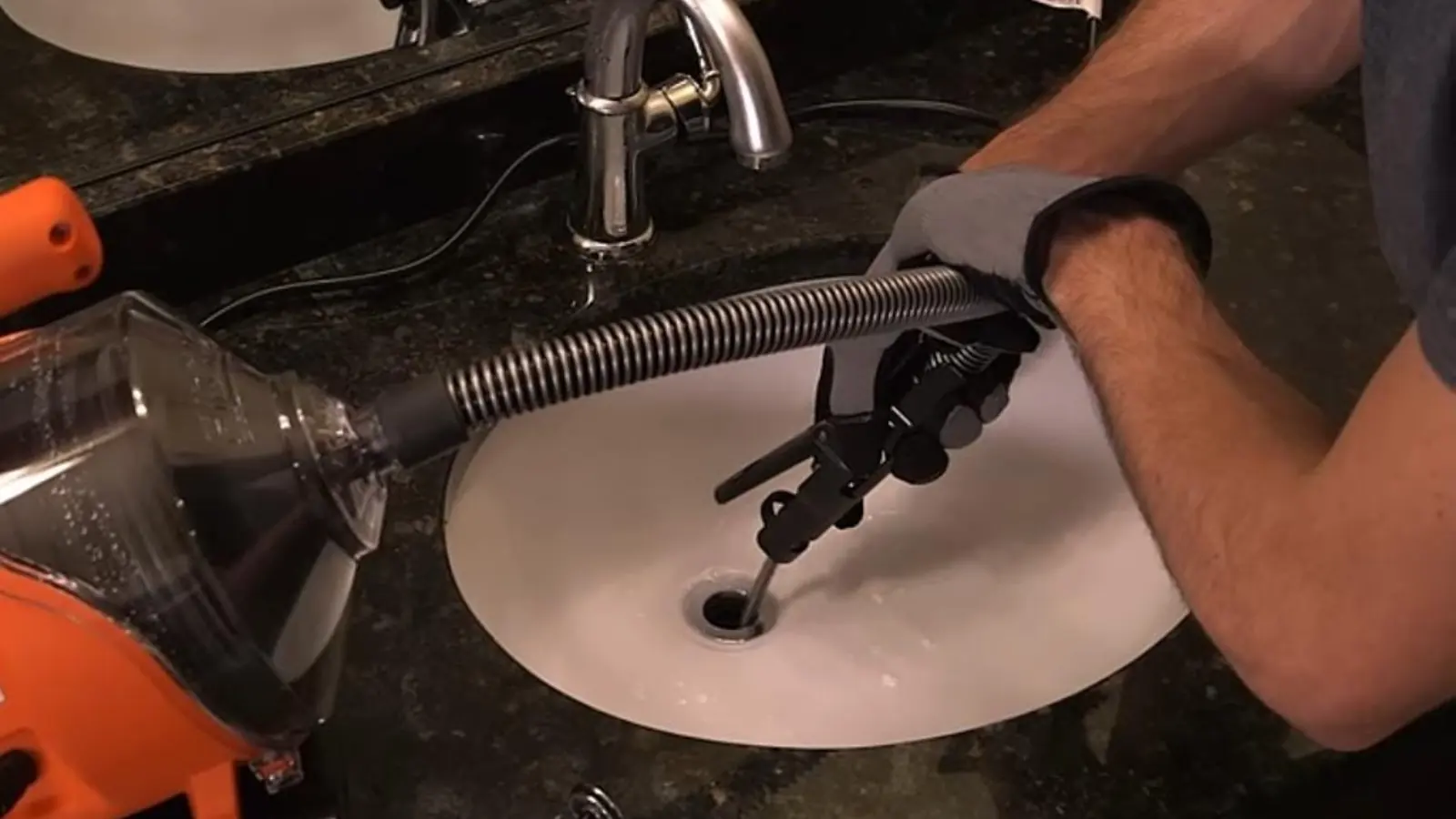
A hand or drum cable with a cutting head handles most sink and tub clogs. A heavier machine reaches long runs and roots. Grease and sludge on the pipe wall call for jetting.
Clear it and run water
We work the cable until it moves freely, then run water through the line to confirm it flows, not just that the cable passed through.
Look inside if it keeps coming back
A camera on a flexible cable shows the pipe wall, so you see whether roots, a crack or a sag is behind the repeat clog.
Kitchen sink drains: grease, food and what sits past the trap
Kitchen lines clog differently from bathrooms. Cooking fat cools inside the pipe and coats the wall, and each rinse adds a little more until the opening is narrow. Coffee grounds and starchy scraps pack into that coating.
If the sink backs up into the second basin or the dishwasher, the blockage is usually past the P-trap. A leak under the cabinet during a clog often comes from a loose slip nut or a worn trap, and we replace the trap when needed. A jammed or leaking disposal is a separate repair, covered under garbage disposal repair.
Safe things to try on a single slow drain
These steps are low risk and often enough for a minor clog in one fixture. Stop if water starts coming up elsewhere.
- Plunge with a seal. Block the overflow opening with a wet rag so the pressure goes down the pipe.
- Pull the stopper. Hair wraps around tub stoppers and sink pop-ups, and lifting it out clears the most common bathroom clog.
- Clean the P-trap. Set a bucket under it, loosen the slip nuts by hand and rinse out the buildup. Tighten the nuts snug, not hard.
- Use warm water, not boiling. Boiling water can soften PVC joints and crack porcelain.
- Leave the cleaners on the shelf. Chemical products are the one thing to avoid, since they can burn skin and pipe.
- Stop at the second fixture. If a different drain starts to bubble or back up, the clog is deeper and a plunger will not reach it.
Postwar homes and wet-season roots
Mountlake Terrace grew from a former WWII landing field, when developers began building the first 250 small cinderblock homes in 1949. Many of those houses have been renovated and expanded since, and an older home with a newer addition can mean old and new drain pipe joined together. That joint is a common spot for a catch or a sag, so tell us if your clogs started after a remodel.
The wet fall-to-spring season matters too. Tree and shrub roots look for moisture and slip into pipe joints, and soggy ground can shift a line slightly. If a drain slows down every winter, ask for a camera look instead of a repeat cabling.
What changes the price of drain cleaning
No two clogs are the same, so the work varies. These are the things that shape the price.
A single sink trap is a smaller job than a main line. Floor drains and basement lines can be longer runs.
The farther the clog sits from the access point, the more cable and time the job needs.
Soft debris clears quickly. Roots, hardened grease and scale need heavier cutting or jetting.
A reachable cleanout makes work simple. With no cleanout, we may need to pull a toilet or work through a roof vent.
If the clog keeps returning, looking inside the pipe adds time but explains the cause.
We give a clear price before work starts, so call (206) 864-6558 for your number. Insurance usually does not cover a clog caused by wear or buildup, though some policies help with sudden water damage from a backup. Check your own policy.
Tub, shower and drain-line leak calls
A tub that drains slowly and bubbles in the next bathroom points to a shared line, not a stopper. Standing water in a shower after you have cleaned the hair catcher usually means the clog is below the trap. Several bathrooms draining slowly at the same time often lead back to the main line.
A drain that leaks is a different job. Water at a baseboard, a stain below a toilet or a leak that only shows when a fixture drains can come from a cracked drain pipe or a failed joint. Cleaning will not fix that, and we will tell you so before work starts.
When a cable stopped short or left a piece behind
A cable that stalls is information. It may have hit a root mass, a broken joint, a belly in the pipe or a long run beyond the machine's reach. Forcing it can snag the cable and leave a broken end in the line.
Tell us the length that went in and whether anything was left behind. We can switch to a camera, a larger cutting head or sewer line cleaning on the main, and the plan changes with what we see.
Apartments, condos and shared buildings
Multi-unit buildings add a question: is the clog in your unit's branch or in the shared stack? One toilet backing up in a single unit is usually local. Backups in several units point to the building line, which is the property manager's call, and we can coordinate with them.
Commercial grates, floor drains and larger systems are handled under commercial plumbing. If you are in Lynnwood, see our page for plumbing service in Lynnwood.
Drain cleaning questions we hear most
Yes. The emergency line at (206) 864-6558 is staffed 24/7, including nights and weekends. If sewage or dirty water is rising in a tub or floor drain, call right away and stop using water in the house while you wait. We offer same-day appointments when available for clogs that are not yet an emergency.
Check how many fixtures are affected. One slow sink is usually a local clog in the trap or branch line. If a toilet gurgles when the washer drains, or a basement floor drain bubbles, the main line is the likely culprit. Tell the dispatcher what you see and we will plan the right tool.
We advise against it. Chemical cleaners can sit in a blocked pipe, damage fittings and burn skin if the water splashes back. They also make it harder and less safe to work the line afterward. A plunger or a hand-cleaned P-trap is a safer first try.
A cable that stalls often hit roots, a bend, a broken joint or a thick wall of grease. We can run a heavier cutting head, look inside the pipe with a camera on a flexible cable, or move to hydro jetting. Tell us what was already tried, and if a cable piece was left in the pipe.
It depends on your lease and on what caused the clog. Start by telling your landlord or property manager, since many leases route plumbing through them. We can talk with the property manager directly, explain what we find and give a clear price before work starts.
The fixture, how far the blockage sits, what the clog is made of and how easy the cleanout is to reach. We give a clear price before work starts, so call (206) 864-6558 and describe the symptoms for your number.
A repeat clog usually means something in the pipe is still catching debris. Roots, a sag where water pools, rough cast iron or grease on the pipe wall are the usual reasons. A camera look shows which one, and that decides whether cleaning on a schedule or a repair is the better path.
Standards and sources
These public references sit behind the rules and checks this page mentions.