
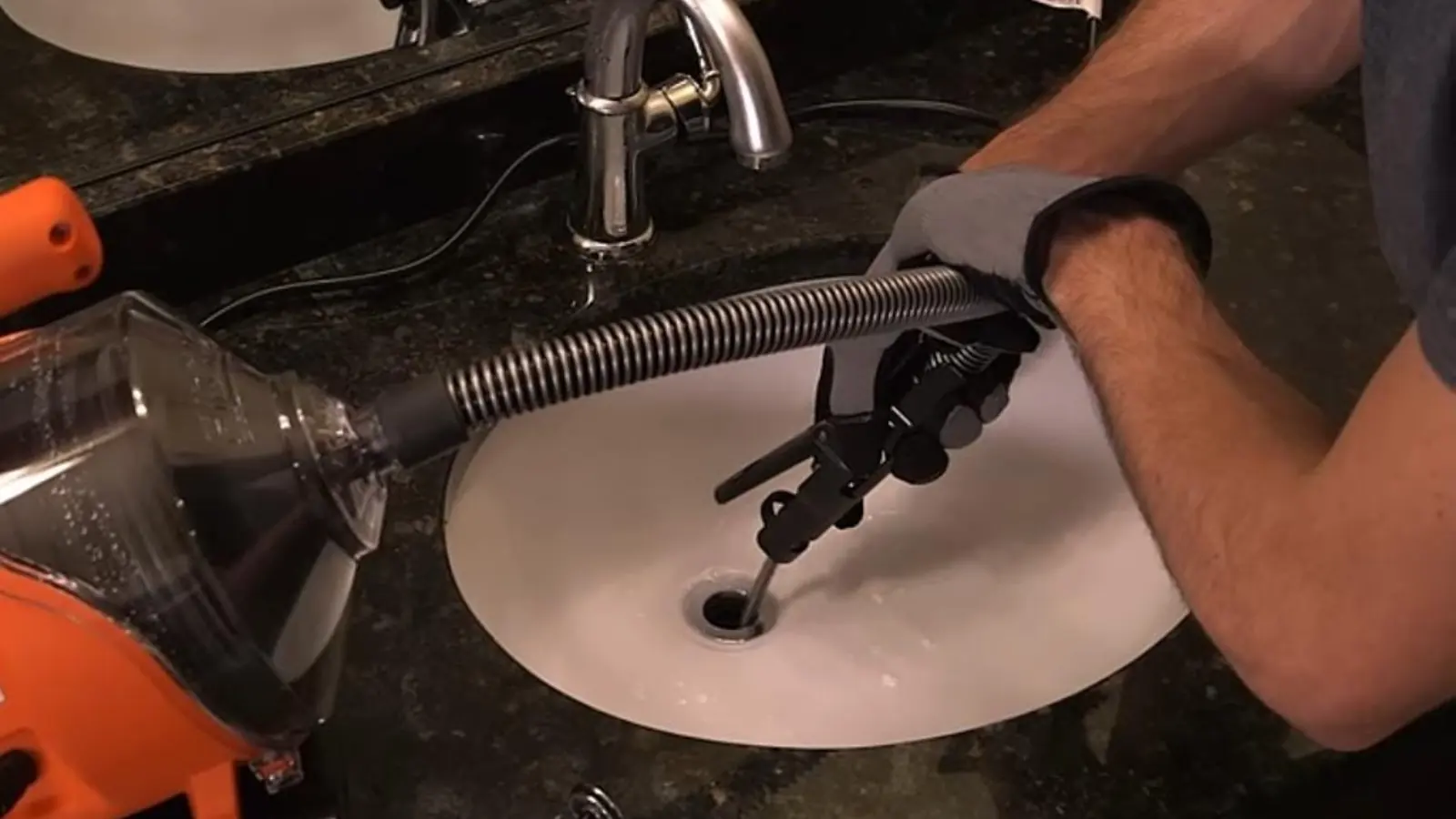
Not every bad smell is a sewer problem
The first question is which drain smells and when. One fixture that smells only when you run water is a local problem, often a dirty stopper or a film inside the trap. A smell that drifts through the house with no water running points to a dry trap, a vent, or the line itself.
Most smelly drains we hear about turn out to be simple. A dry trap or a coating on the pipe wall explains the majority, and both are cheap to fix at home. The serious causes are rarer but worth knowing, because a sewer line problem gets worse the longer it sits.
Smell, likely source and first check
Use this to match what you notice with the most likely cause before you spend money.
| What you notice | Likely source | First thing to check | Call us when |
|---|---|---|---|
| Sour smell at one sink | Biofilm on the trap and overflow hole | Clean the stopper and flush with hot water | The smell is back within days |
| Sewer smell from a guest bath or floor drain | Dry P-trap | Pour in water and let it sit | The trap refills but keeps losing water |
| Rotten-egg smell from a water heater tap only | Bacteria in the tank water | Compare hot and cold taps | Only hot water smells |
| Gurgle plus sewer smell after flushing | Partial blockage or vent problem | Run each fixture and listen | More than one fixture gurgles |
| Smell with slow drains in several rooms | Main line buildup or roots | Look for the cleanout cap | Water backs up or pools |
| Smell near a wall or ceiling, no drain nearby | Cracked drain, loose vent joint or dry trap above | Trace which fixture sits closest | You can see stains or damp drywall |
The dry P-trap, the simplest culprit
Every sink, tub, shower and floor drain has a curved section called a P-trap. It stays full of water, and that water is the seal that keeps sewer gas out of the room. When a fixture sits unused, the seal evaporates.
The fix is to run water for about a minute. For a floor drain or a seldom-used shower, a spoonful of cooking oil on top of the refilled trap slows evaporation, though it is not a substitute for using the fixture now and then. If the trap keeps going dry even with regular use, suspect siphoning, which brings us to venting.
Biofilm, the film you smell but cannot see
Soap, skin oils and food residue build a slimy layer inside the trap and on the underside of a stopper or overflow opening. Bacteria feed on it and give off a sour or swampy smell. This is the most common cause of a bathroom sink that smells even though it drains fast.
Pull the stopper and wipe it with a bottle brush, then clean the overflow hole near the top of the basin. Follow with hot tap water and a squirt of dish soap. A kitchen sink needs the same treatment on the strainer and the rubber splash baffle if you have a disposal.
A ten-minute way to find the smelly fixture
When you cannot tell where the smell lives, work through the house in order.
Run water in every unused drain
Fill each trap, including the basement floor drain and the shower nobody uses, and wait ten minutes.
Sniff each fixture up close
Put your nose near the drain opening with the water off. The strongest source is your target.
Clean that fixture by hand
Remove the stopper, scrub the visible parts and flush with hot water and a little dish soap.
Watch for gurgling
Run the sink full, then release it and listen. A gurgle means air is fighting for a path, which points to a vent or partial clog.
Check the cleanout
If the smell is strongest near a capped pipe in the basement, garage or yard, leave the cap on and call us.
Vent trouble and why it brings the smell indoors
Plumbing vents run up through the roof so air can enter the drain lines behind the water flow. A blocked vent stack, from leaves, a nest or frost, lets the water pull the trap seal along with it, and the room fills with gas. The tell is a gurgling drain, a toilet that bubbles when the washer drains, and a smell that comes and goes.
You can look at the roof opening from the ground with binoculars, but do not climb a wet roof. A loose or cracked vent joint inside a wall can also leak gas into a cavity, which is why a smell sometimes seems to come from a wall rather than a drain.
Safe things to try today
These steps are low risk and cover most surface causes.
- Refill every trap. Run water for one minute in each unused fixture.
- Clean stoppers and overflow holes. A bottle brush reaches where a cloth cannot.
- Flush with hot tap water. Not boiling water, which can soften plastic traps and fittings.
- Run the disposal with cold water and citrus peel. It scrubs the chamber walls a little.
- Open a window and run the bath fan. Clear the air while you track the source.
- Leave chemical drain cleaners alone. They can harm pipes and make a later repair more hazardous.
[[tel|Call (206) 864-6558]] and describe which drains smell, when it started and whether any gurgle comes with it.
Water heater smell is a separate problem
If only the hot tap smells like rotten eggs, the odor comes from bacteria reacting with the anode rod inside the tank, not from your drains. Cold water without a smell confirms it. A water heater visit, not a drain visit, is the right call there.
When a drain smell is serious, and what to do
Stop using the affected fixtures if sewage appears in a tub or floor drain, if several toilets will not flush, or if the smell is strong enough to cause a headache. Move children and pets out of a basement that smells strongly. Do not mix cleaning products to fight the odor.
A rotten-egg smell that seems to come from an appliance or the air itself could be natural gas. Leave the building, then call your gas utility or 911 from outside.
We cannot service gas lines, so gas goes to them first. For any smell that tracks a sewer or drain, our drain cleaning service and a camera inspection can find what the nose only suspects, and the dispatcher will explain what we find and give a clear price before work starts. For wider area questions, see how we serve Lynnwood homes next door.
What this means in Mountlake Terrace
Many Mountlake Terrace homes began as compact houses built from 1949 onward, and later additions often added a second bathroom or a laundry tied into the old drain. Extra fixtures on one line mean extra traps, and rarely used ones dry out first. If your smell comes from an added bath, check that trap before suspecting the whole house.
About 41 percent of occupied homes in the city are rented, so a lot of drain smells land first with a tenant. Your job is the simple part, running water in unused fixtures and cleaning stoppers, and a written note to the landlord covers the rest. If the cause is a vent or a line problem, that repair sits with the owner, and we can speak with them directly.
Questions about drain smells
The P-trap under every fixture holds a small plug of water that blocks gas from the drain line. In a guest bath or a basement floor drain that water evaporates over weeks. Run water for a minute and add a little more to refill it, and the smell often stops.
A faint whiff now and then is mostly a nuisance, but a strong or constant smell should not be ignored. Open windows and stop using the fixture. If you also feel dizzy or get headaches, leave the home and call 911 or your gas utility if the smell is like rotten eggs, since natural gas carries a similar odor.
We would skip both. Strong chemicals can damage older pipes and fittings, and mixing products can release dangerous fumes. Hot water, a bottle brush for the stopper area and a plain mild dish soap flush handle most surface odors safely.
It can loosen a light film near the drain opening and freshen things for a day or two. It does not reach a dry trap problem, a vent fault or a buildup deeper in the line. If the smell comes back within a week, the cause is elsewhere.
Start by telling your landlord or property manager in writing, since most leases put drain and pipe repairs on the owner. Cleaning the stopper and refilling an unused trap is your part. If a plumber is needed, we can talk with the property manager about what we find.
Several fixtures smelling at once, gurgling after a flush, or slow drains in more than one room point toward the main line. A camera on a flexible cable shows the pipe wall and any blockage, so you are not guessing before a repair.
Standards and sources
These public references sit behind the rules and checks this page mentions.